
Community
Engage & Empower
At Chimfunshi, we believe that people are at the heart of our development. By supporting the well-being of the communities in and around Chimfunshi, we create a long-term and solid foundation for the future. Our work focuses on building a model of sustainable rural life where nature and people not only coexist, but thrive together.
People Here and Beyond
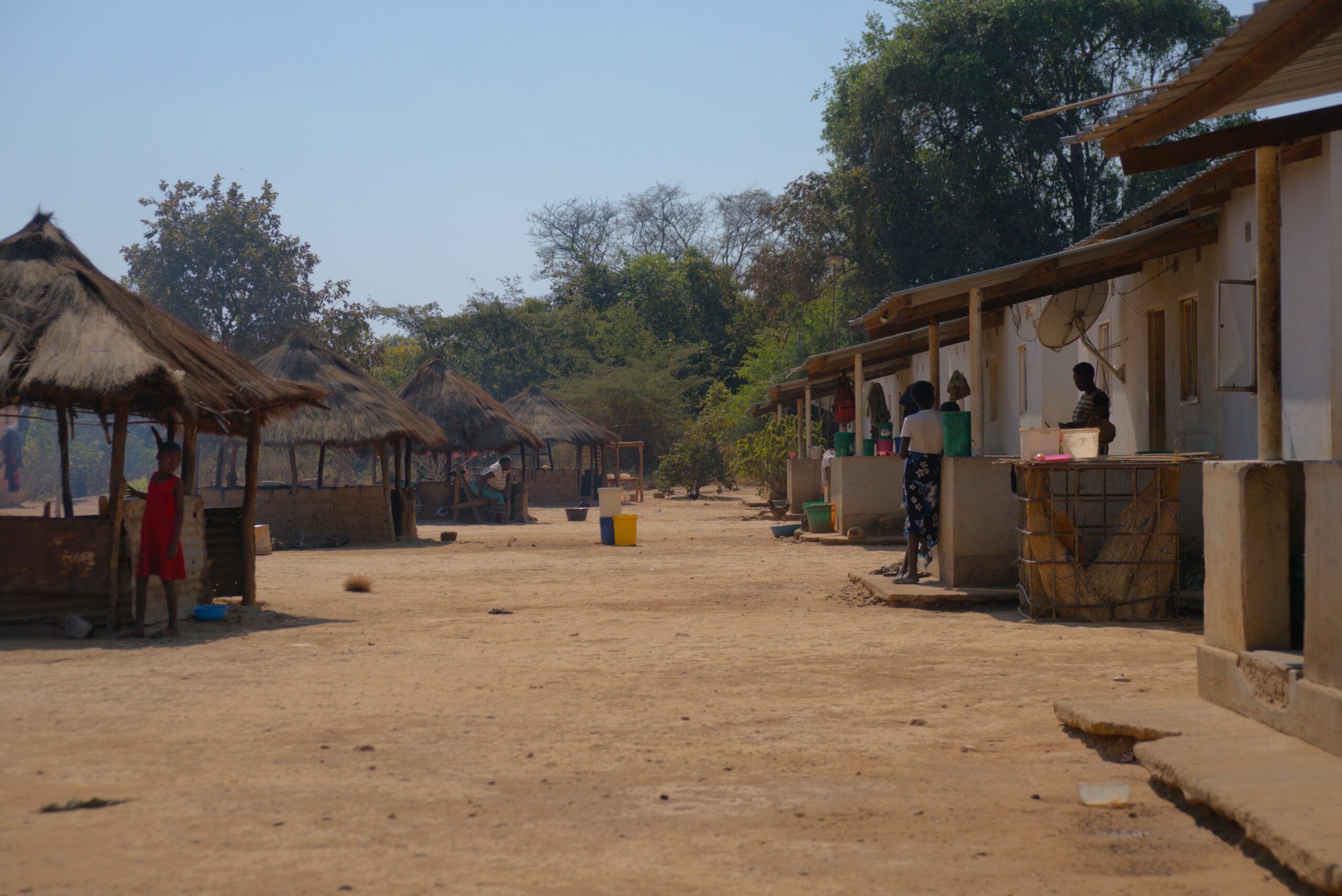
Chimfunshi is not just a sanctuary for animals, it is also home to 7 rural communities, with 400 people, including 150 children. These people live here with their families and are the cornerstone of sustainable development.
With more than 80 of them being employed by Chimfunshi, we provide them with income, training, and a place they can call home.
Chimfunshi is also taking its place in the local environment, welcoming 100 children from neighboring villages to Twampane Community School, providing income to a local farm where we buy some of the food for our chimpanzees, giving access to our health post, and including them in workshops to share our green agricultural practices and our conservation concerns.
All of this is developed in close collaboration with the Zambian authorities to make sure that they are involved in the development of their country and understand the specific challenges our area faces.
People First
Community Welfare
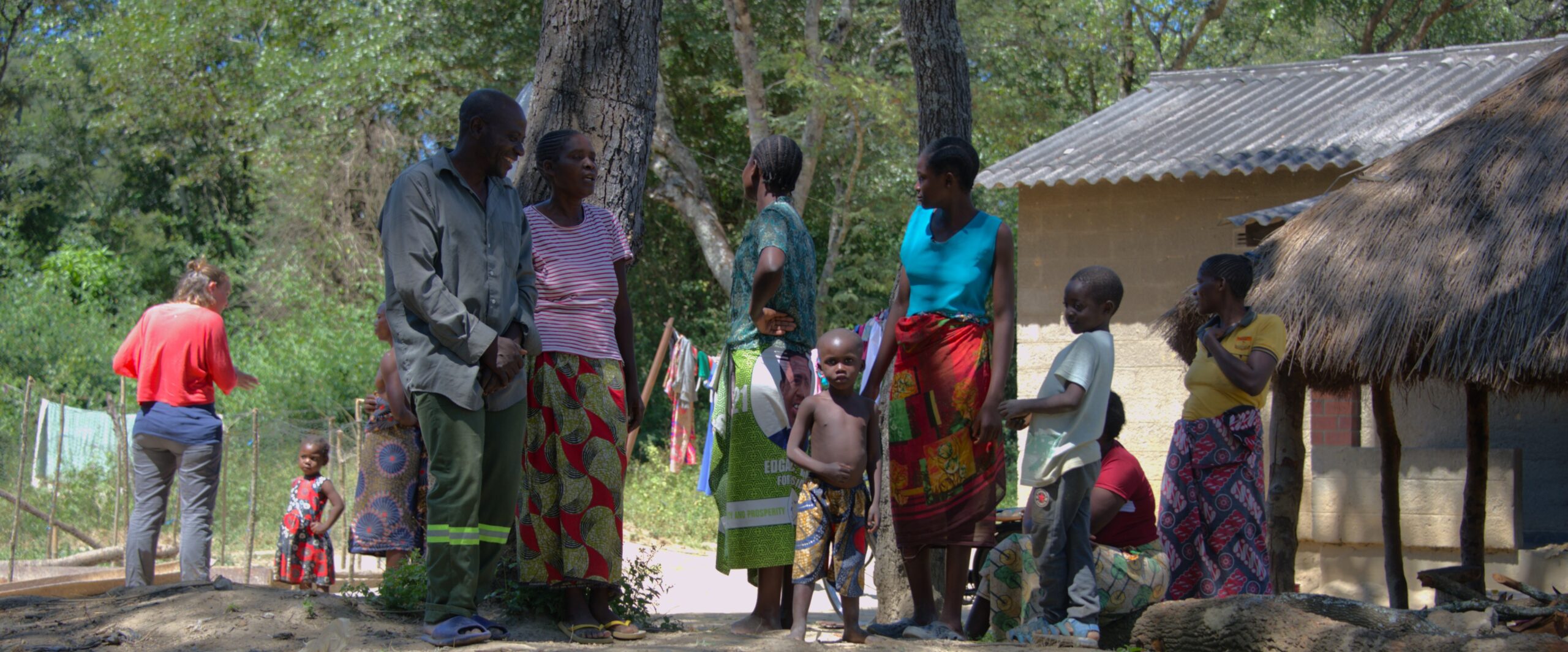
Our commitment to community welfare goes beyond meeting basic needs; we strive to create the conditions for safe, healthy, and empowered lives. This includes providing access to clean water, healthcare, homes, sustainable energy, and transportation for the families.
In the past year, we have deepened our impact by drilling new boreholes, ensuring a clean and consistent water supply, even through the dry season. Health has remained a top priority, with preventive campaigns targeting seasonal outbreaks like cholera, medical visits from specialized doctors, and the distribution of essential supplies such as mosquito nets and medicine. We have also invested in infrastructure to ensure proper housing for all, and upgrades to toilet facilities to improve hygiene. We believe that these improvements form the foundation of a stronger, more resilient community.
Education
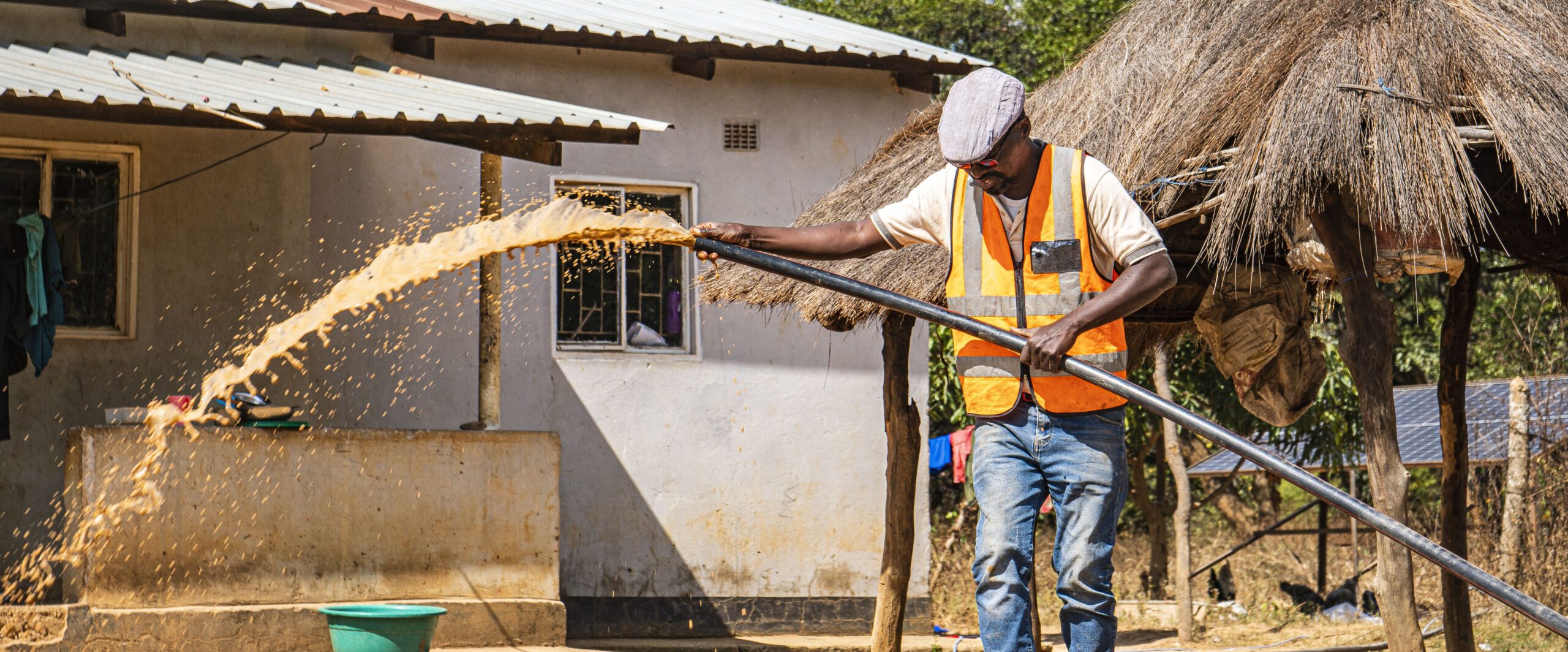
Education at Chimfunshi is about much more than academic achievement, it is about empowering future generations to lead healthy, informed, and environmentally conscious lives. At Twampane Community School, a government-approved institution built to serve Chimfunshi and surrounding villages, we currently provide learning opportunities for over 350 children from Early Childhood through Grade 9 (Form 2).
We are constantly working to enhance the learning environment. Over the years, we have expanded our facilities to include four well-equipped buildings housing dedicated classrooms for science and computers, along with a playground and a library that support holistic development. Our nutrition program ensures that every child receives a free and nutritious meal during the school day, promoting attendance, concentration, and well-being. Extra curricular activities such as arts, sports, games, and conservation take place in the afternoon through clubs that allow students to learn more and express themselves.
Importantly, we promote gender equality and girls empowerment through proper sanitation facilities and educational initiatives that address menstrual health and reproductive knowledge. By supporting girls to remain in school and reducing early pregnancies, we hope to build a more equitable and educated community ready to shape a better future.
As part of our commitment to education beyond the classroom and Chimfunshi, we run dynamic outreach programmes that bring environmental awareness directly to surrounding communities. We have connected with 96 local schools over the past two years, reaching more than 8,000 children with engaging, age-appropriate lessons about conservation, biodiversity, and the importance of living in harmony with nature. These efforts aim to inspire and equip the next generation with the knowledge and values needed to protect their environment.
Green Farming
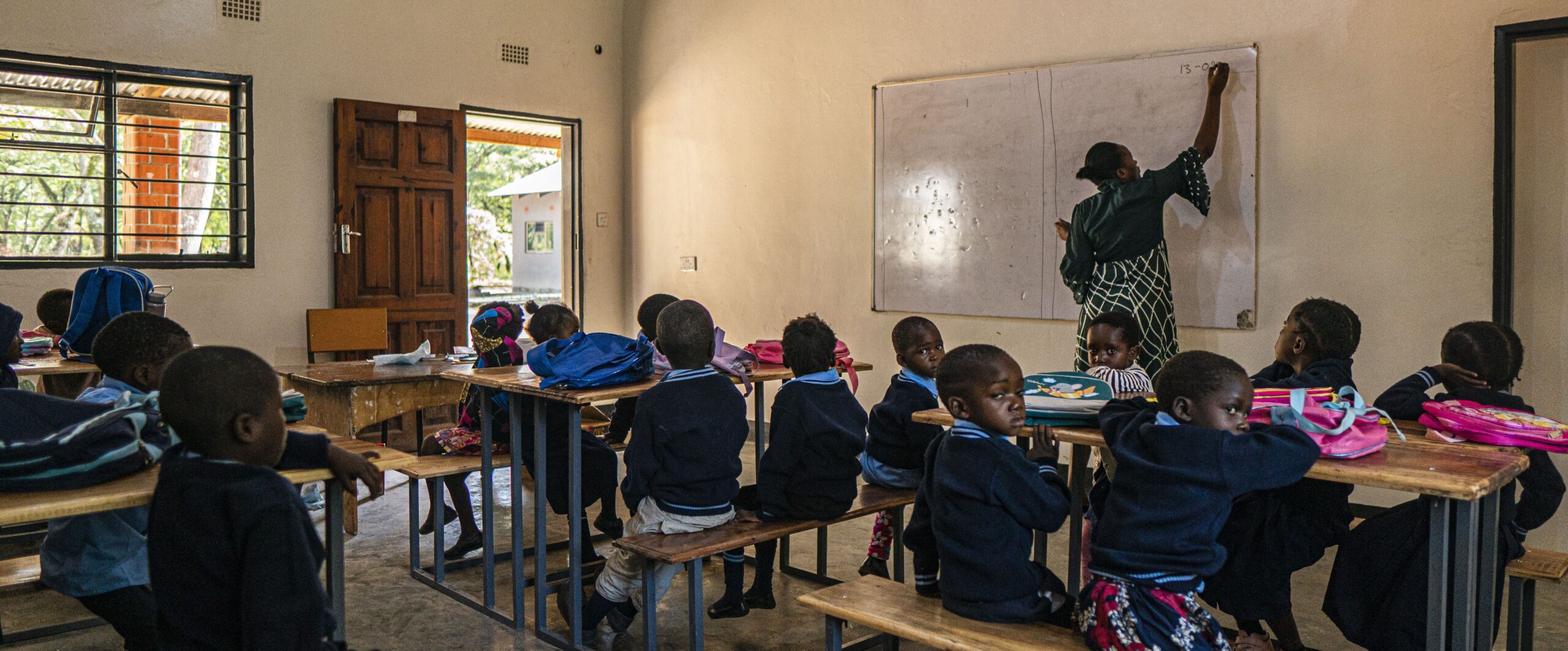
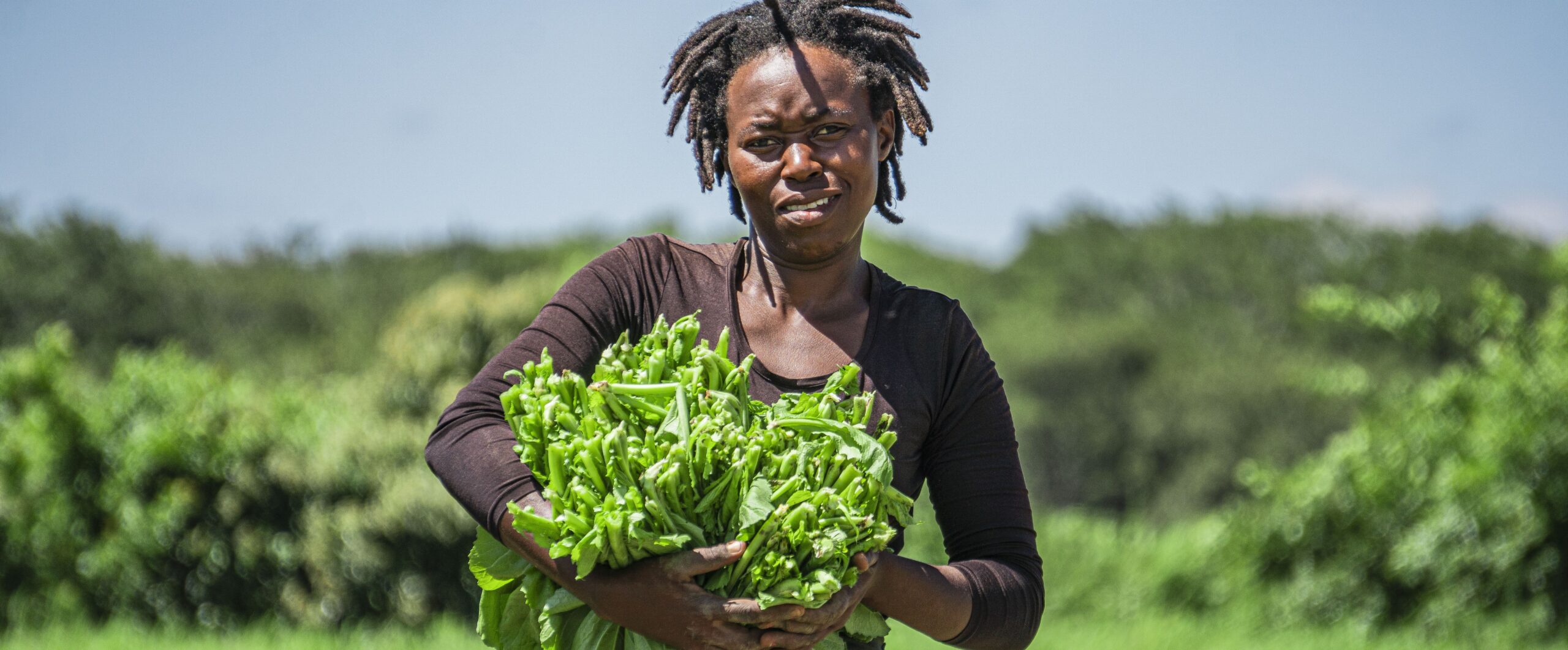
The Chimfunshi farm has undergone a remarkable transformation. Originally established in 2010 as a conventional agricultural project, the farm has shifted in 2022 to adopt conservation agriculture, a system that rebuilds soil health, supports biodiversity, and increases productivity in a sustainable way. Spanning 20 hectares near the Kafue River, the farm now benefits from year-round access to water and rich floodplain grasslands.
Since adopting these practices, the farm has become a model for resilience and regeneration. The shift away from tilling and the use of chemical inputs has been replaced with composting from our own livestock, natural pest control methods like black soap, and cover cropping using local grasses. The principle of crop rotation allows us to keep the soil fertile and supports ecosystem diversity. Our harvest feeds the schoolchildren and sanctuary residents, strengthening food security while reducing environmental pressure.
The farm not only provides food but also stands as a learning site for sustainable agriculture, demonstrating what is possible when we work in harmony with nature.
Jobs and Training
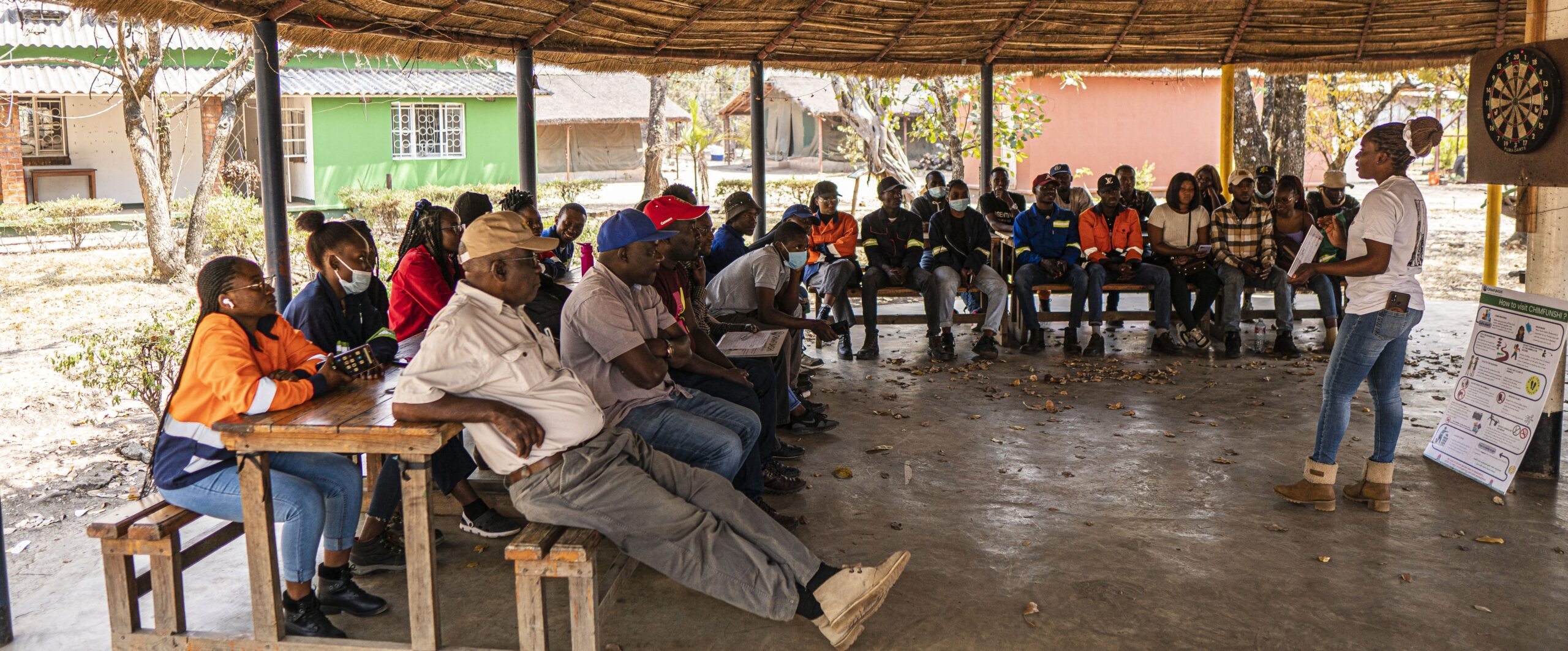
Economic empowerment is central to our vision of community resilience. At Chimfunshi, we create meaningful, long-term employment opportunities in areas such as farming, animal care, security, education, and hospitality. Each job supports not only the sanctuary’s operations but also contributes to the well-being of the wider community.
We are committed to providing ongoing training and professional development to our staff, helping them build skills that enhance both their work and their personal lives. Importantly, we also support entrepreneurship through small income-generating projects. One such initiative is the production of our local honey, which offers both a sustainable product and a source of extra income for local families.
Vision for 2030:
Thriving Ecosystems for a Sustainable Future
By 2030, we envision Chimfunshi as a leading model of sustainable rural society, where communities thrive in harmony with nature. Our goal is to establish and promote this model at both the provincial and national levels.
Our Strategy
To bring our vision to life, CWOT works across six interconnected areas:
1. Basic Needs Fulfilment:
All six communities have access to clean water, sanitation, enough food, sustainable energy, and safety, especially focusing on helping the most vulnerable.
2. Economic Growth Opportunities:
Farming and forestry activities are developed into profitable markets, helping families earn more, become financially independent, and learn new skills.
3. Inclusive Social Development:
Everyone, women, men, girls, and boys, receive good health and education, and access arts, culture, and sports for personal growth and expression.
4. Sustainable Population Growth:
Population increases in a way that strengthens society, improves access to resources, protects the environment, and boosts community well-being.
5. Sustainable Practices:
Communities improve how they produce and use resources in ways that last over time and protect the environment.
6. Community Empowerment:
Residents are involved in decisions about managing their land and resources, sharing responsibilities through consultation and support.