
Chimfunshi Sanctuary
Rescue & Rehabilitation
At Chimfunshi Wildlife Orphanage Trust, we rescue, protect, and care for animals victims of illegal wildlife trafficking, not only in Zambia, but from around the world. Whether they are long-term residents who cannot return to the wild, or animals being prepared for release, we provide every individual with expert care and a safe, healing environment.

Our Residents
Non-Native Species
Chimpanzees
Chimfunshi is home to more than 150 chimpanzees, Pan troglodytes (from the 4 subspecies), rescued from across the globe since its creation. As a non-native species in Zambia and due to political instability in their countries of origin, they cannot be released into the wild. For this reason, we’ve created eight expansive, semi-forested enclosures, spanning over 200 hectares, designed to mimic natural habitats. These spaces allow the chimpanzees to live in stable social groups, express natural behaviours, and enjoy long-term safety and healthy lives. Chimfunshi is proud to be one of the largest chimpanzee sanctuaries in the world.

Other Non-Native Wildlife
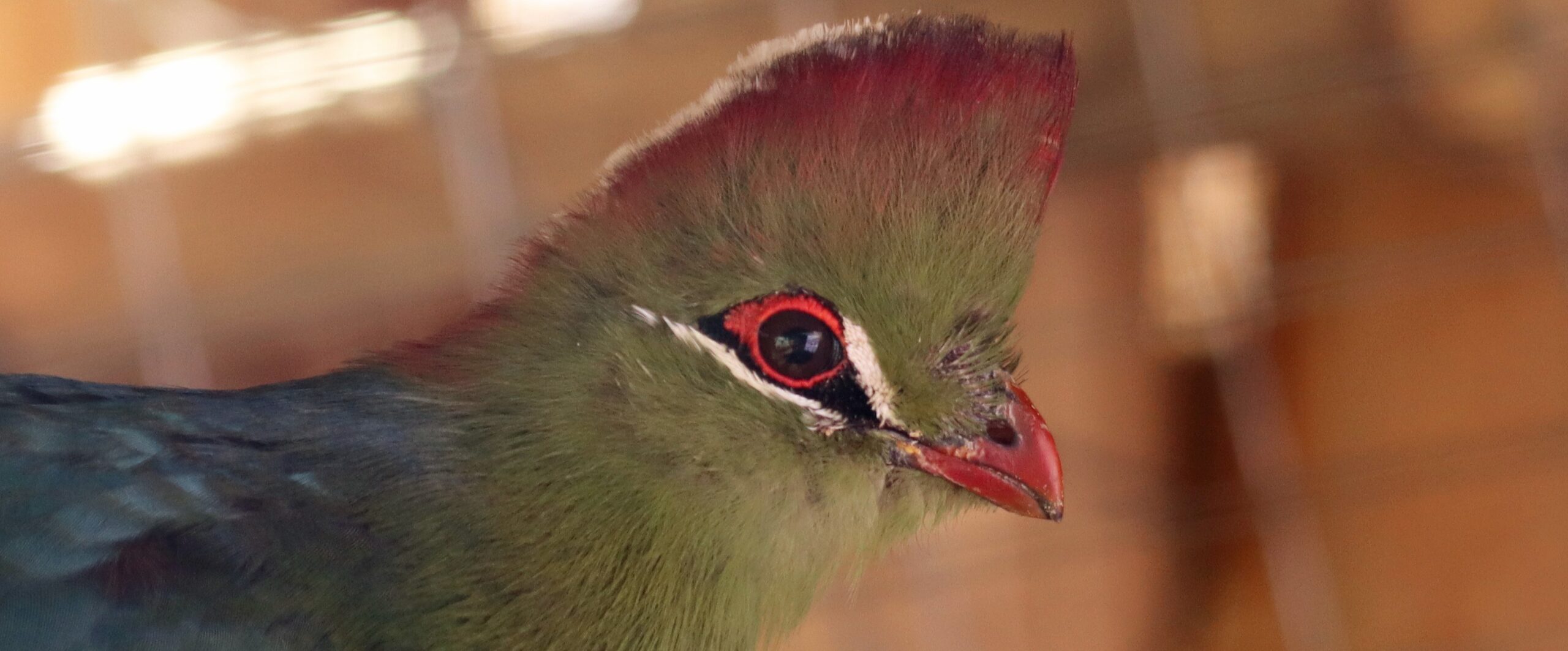
As Zambia lies along a key route in the international wildlife trade, Chimfunshi regularly receives animals confiscated during trafficking operations, such as African Grey Parrots (Psittacus erithacus), Harlaub’s and Fischer’s turacos (Tauraco hartlaubi & Tauraco fischeri), and other exotic species. We work closely with government agencies to rehabilitate and provide temporary care for these animals. With our dedicated protocols, we start the process in our quarantine to evaluate their condition. Whenever possible, we partner with local NGOs in their country of origin to release them back into their native environments.
Native Species
Tree Pangolins
In 2025, Chimfunshi was officially accredited as a Tree Pangolin (Phataginus tricuspis) Sanctuary, in collaboration with the Zambian government. These highly endangered animals are rescued, rehabilitated, and, when possible, released back into protected areas, in the Northern and Copperbelt regions where they belong. This initiative represents a major step forward in regional conservation efforts for one of the most trafficked mammals in the world.

Other Native Wildlife
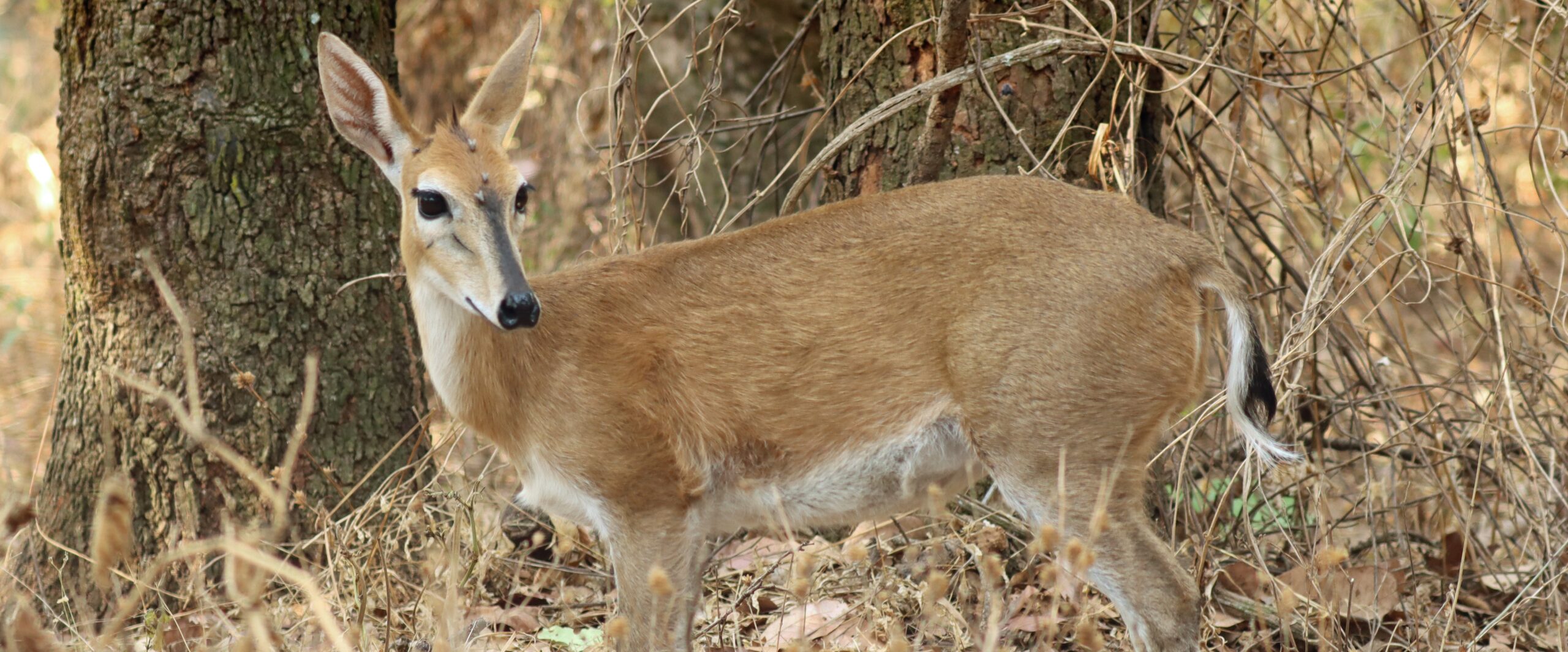
Chimfunshi also supports Zambia’s native species. Injured birds of prey, orphaned antelope, and trafficked primates are regularly brought to us for emergency care and rehabilitation. We currently are home to a Brown-necked Parrot (Poicephalus fuscicollis) and a Meyer’s Parrot (Poicephalus meyeri), which are too injured to be released in the wild, and a Common Duiker (Sylvicapra grimmia) named Poppy, too habituated to humans to be released. For the Malbrouck (Chlorocebus cynosuros), we work in partnership with ZPP in Kafue National Park, for their rehabilitation and release. Our team is committed to attending to each animal’s health, both physical and psychological, so they can provide the best care during their rehabilitation to ensure they can return to the wild in safe areas.
Note: All animal care is performed exclusively by trained professionals. No public or volunteer contact is permitted with rescued wildlife.
Providing the Best Care
Through Renewed and Quality Infrastructures
We have a Quarantine Facility, where every new arrival is placed in quarantine for medical evaluation and stabilization. We also have a broadly equipped onsite veterinary Clinic, staffed by a resident veterinarian and trained assistants, providing everything from routine checkups to emergency surgery. Each resident is housed in either expansive enclosures equipped with handling facilities or in specially adapted aviaries, ensuring optimal care and welfare.
With individuals and organizational support, we can develop specific facilities depending on the needs.

Through tested and proven procedures
Each species has different needs, and we have a protocol for each of them. Working hand in hand with specialists and organizations worldwide, we ensure that every animal is receiving the best care. All permanent residents are monitored to ensure a balanced, healthy population and avoid birth as Chimfunshi is not a breeding center.
For the chimpanzees, our rehabilitation efforts involve gradual reintroduction into one of our groups. This model promotes a life as close to the wild as possible, providing them with the freedom to express natural behaviors in a safe, structured setting.

Through an Experienced Team
Our team of 12 trained animal keepers, including chimpanzee specialists, ensures all enclosures are clean and all animals receive the nutrition and care they need to thrive. With monthly training meetings, they are professional in their field and can take proper care of the animals.

Vision for 2030:
A Leading Model in Conservation
By 2030, Chimfunshi aspires to be nationally recognized as a reference model in ex-situ conservation and rehabilitation, pioneering programs that protect and restore populations of endangered and trafficked animals. We envision an enhanced sanctuary integrated within Zambia’s broader wildlife conservation framework, contributing significantly to the mitigation of illegal wildlife exploitation.

Our Strategy
To achieve our vision, we have put in place a new programme since 2022. It revolves around 4 axes:
1. Foundation & efficiency:
Conditions are created to enhance the care of animals and support conservation efforts.
2. Rescued animal welfare:
The health and safety of animals affected by illegal trafficking are ensured, helping them to thrive.
3. Biodiversity recovery:
Protecting various species and returning them to their natural habitats helps restore ecosystems and wild populations.
4. Conservation advocacy:
Chimfunshi’s efforts in conservation, advocacy, and education reduce poaching and illegal trafficking of endangered species.