Birding
Discover our Birds
With more than 360 bird species recorded, a remarkable diversity of habitats, and over 10,000 hectares of protected landscape, Chimfunshi is a rewarding destination for birders looking to explore Zambia beyond the country’s better-known national parks. Chimfunshi was designated an Important Bird Area (IBA #22) in 2010 in recognition of the importance of its habitats for bird conservation.
Over 360 species in our IBA
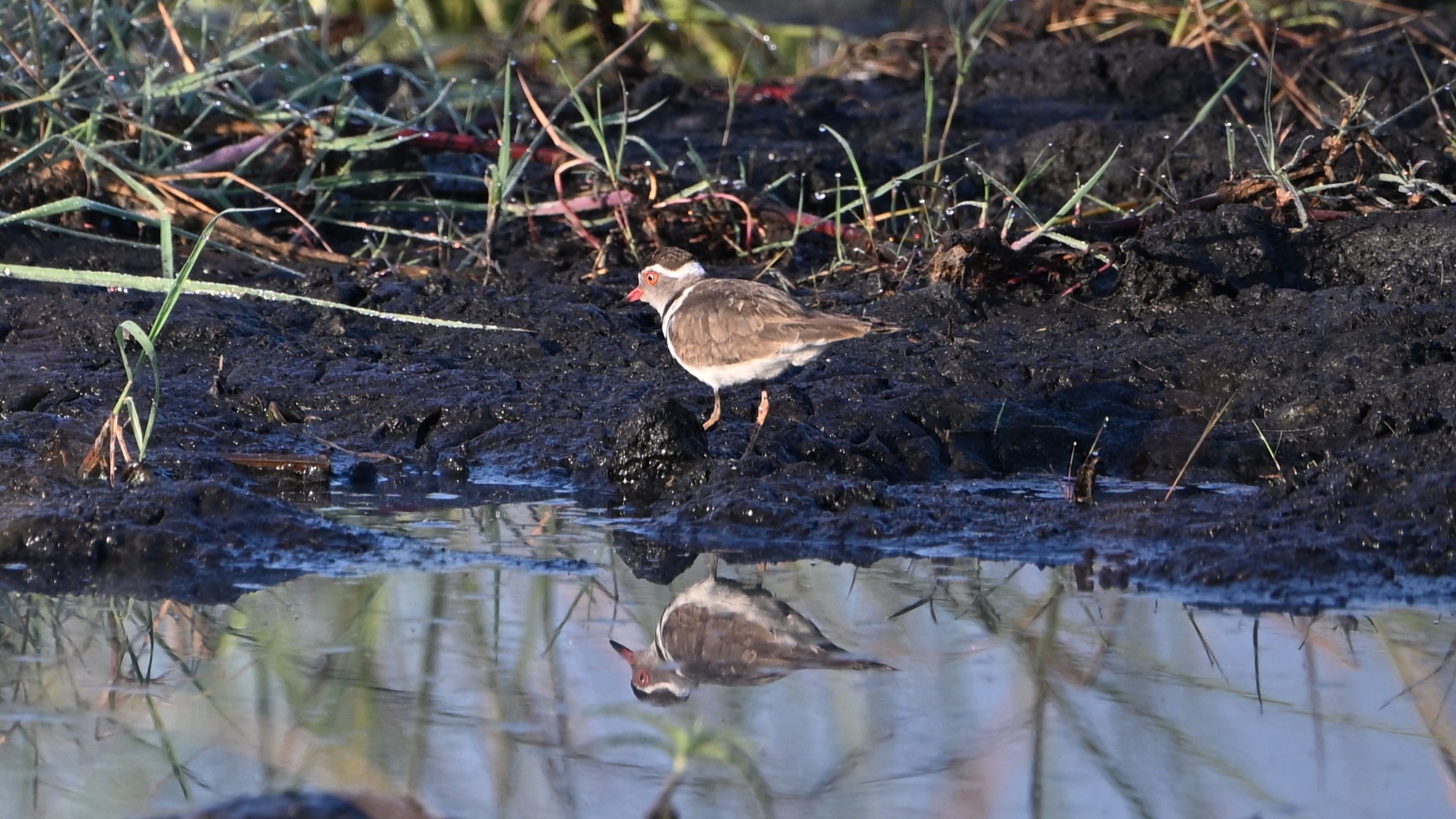
Our bird list currently contains more than 360 recorded species, reflecting the exceptional diversity of habitats protected at Chimfunshi.
We are home to 11 endangered species including:
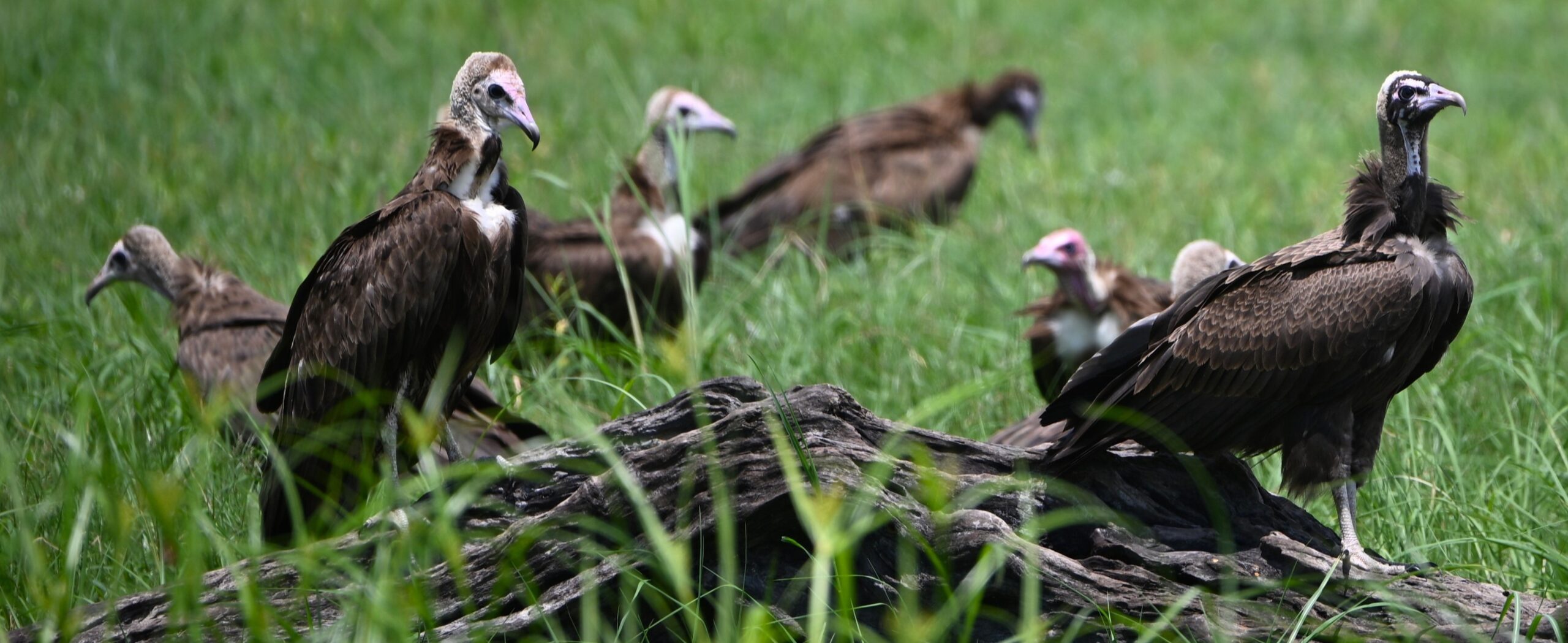
- Hooded Vulture Necrosyrtes monachus
- White-headed Vulture Trigonoceps occipitalis
- White-backed Vulture Gyps africanus
- Bateleur Terathopius ecaudatus
- Crowned Eagle Stephanoaetus coronatus
- Martial Eagle Polemaetus bellicosus
- Steppe Eagle Aquila nipalensis
- Tawny Eagle Aquila rapax
- Wattled Crane Grus carunculata
- Denham’s Bustard Neotis denhami
- Ground Hornbill Bucorvus leadbeateri
Among the most common species recorded in Chimfunshi are:
- Tropical Boubou Laniarius major
- Yellow-billed Duck Anas undulata
- Senegal Coucal Centropus senegalensis
- African Wattled Lapwing Vanellus Senegallus
- Spur-winged Goose Plectropterus gambensis
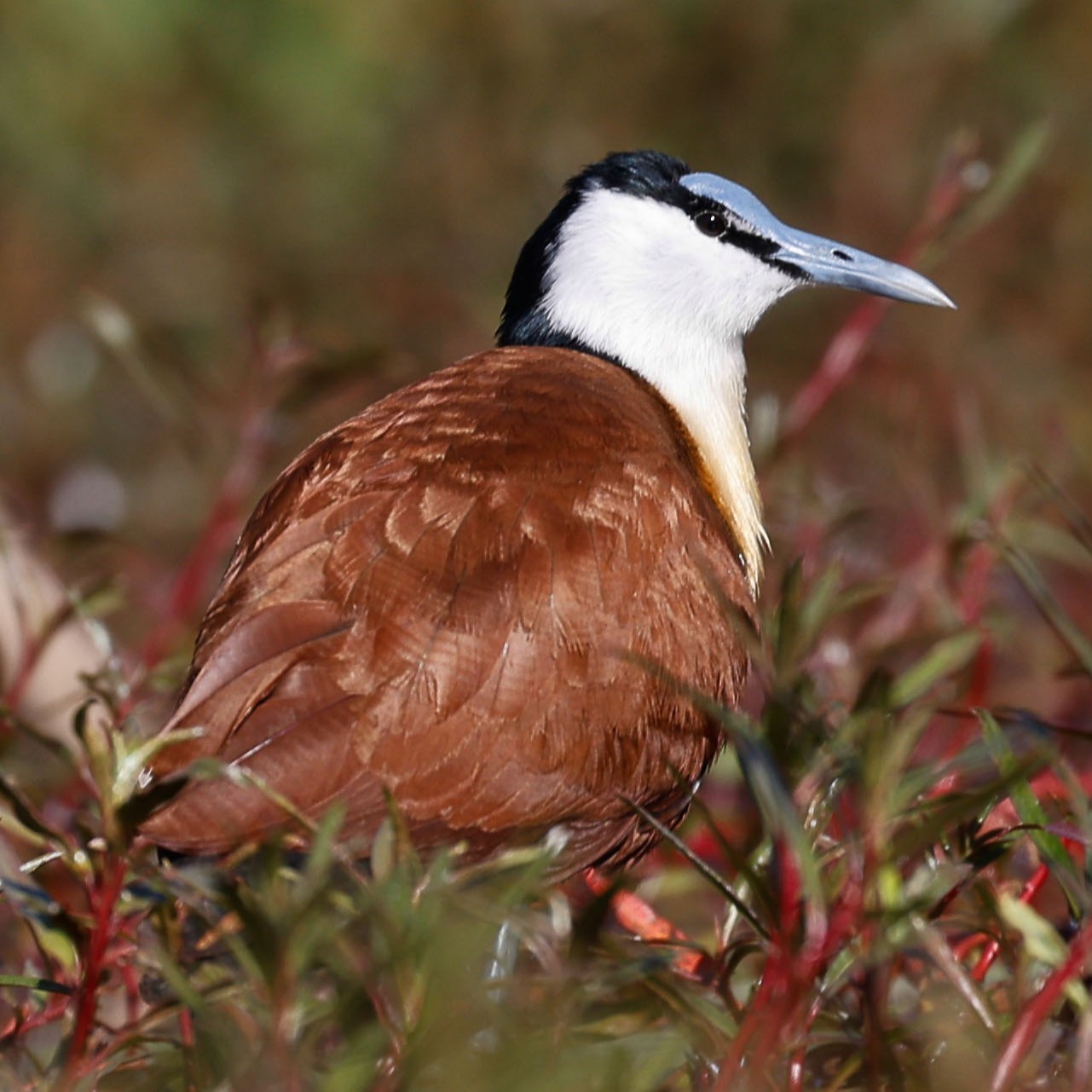
- African Jacana Actophilornis africanus
- Malachite Kingfisher Corythornis cristatus
- White-browed Robin Chat Cossypha heuglini
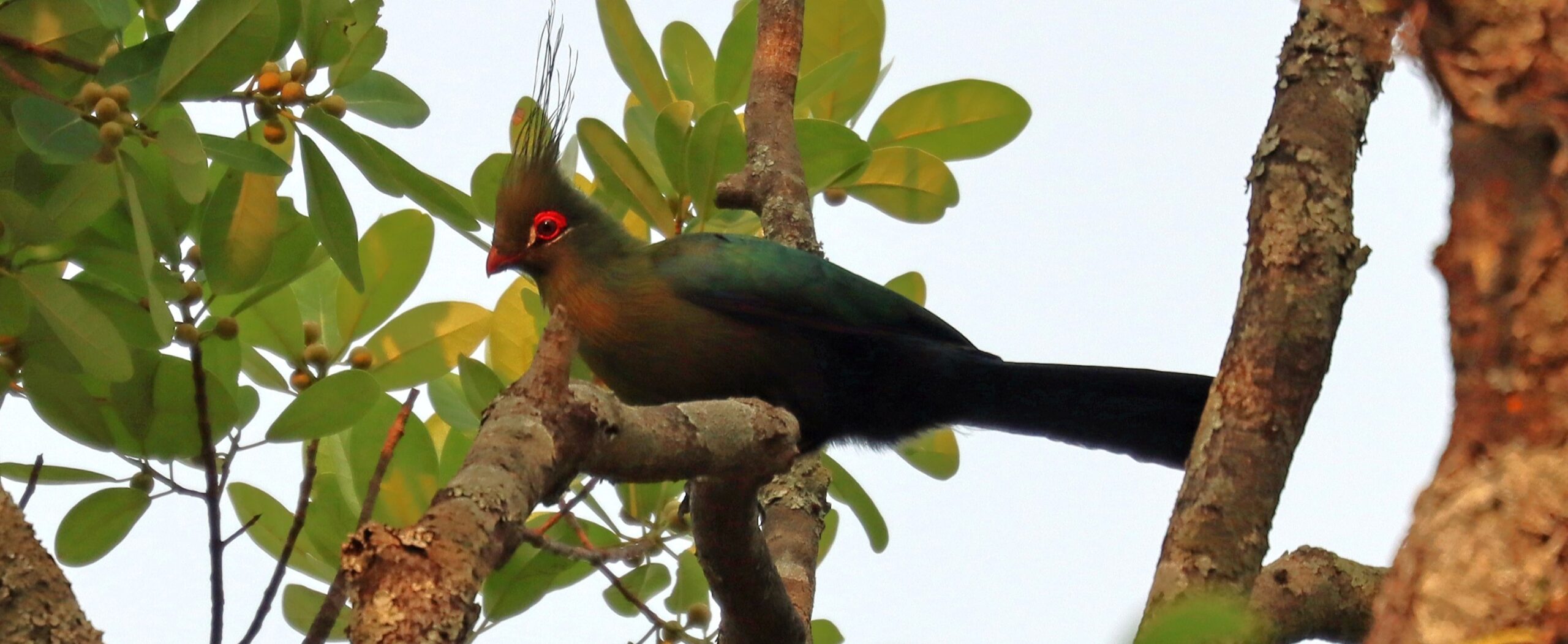
- Schalow’s turaco Tauraco schalowi
- Crowned hornbill Lophoceros alboterminatus
- Pied Kingfisher Ceryle rudis
- Grey Heron Ardea cinerea
- Open-billed Stork Anastomus lamelligerus
- Ross’s Turaco Tauraco rossae
[View / download the Chimfunshi Bird List →]
Bird records are continually being updated as surveys and observations add new species to our list.
Why Birding at Chimfunshi?
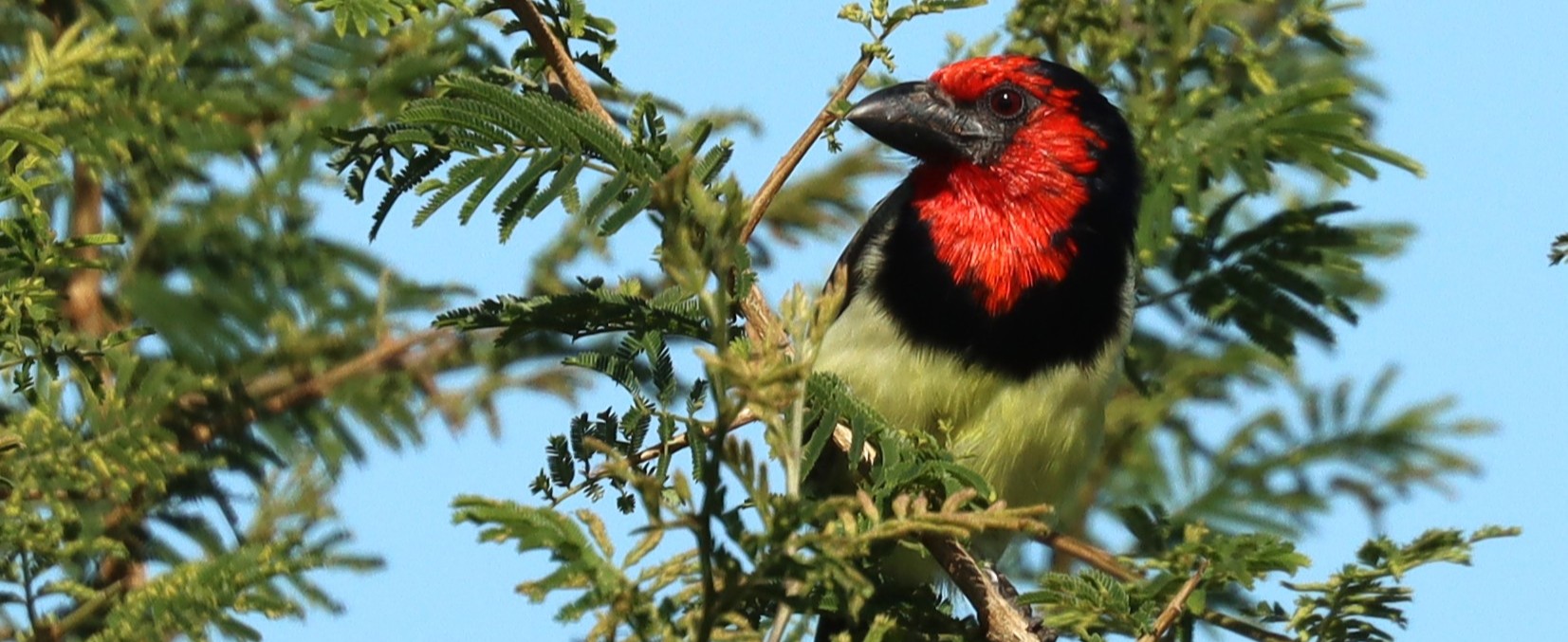
Whether you are an experienced birder searching for Miombo specialists, a wildlife photographer looking for new subjects, or simply someone who enjoys waking up to birdsong, Chimfunshi offers an authentic and peaceful birding experience.
1. A high species count
With 360+ species recorded, Chimfunshi offers an excellent opportunity to build a substantial Zambia bird list while exploring a single protected landscape.
2. A variety of landscapes
Located along approximately 40 kilometres of the Kafue River, Chimfunshi protects a mosaic of Miombo woodland, seasonal floodplains and riverine habitats. Each environment attracts its own birds, creating opportunities to encounter an impressive variety of species within a relatively compact area.
3. A peaceful birding experience
Chimfunshi is a remote conservation landscape rather than a busy mass-tourism destination. Birders can spend hours here without meeting anyone else. With no dangerous animals in the area, walking is the best way to see elusive bird species.
4. Land and Water
Depending on conditions and availability, visitors can explore different parts of Chimfunshi by walking, driving or canoeing. Nature trails and quiet roads provide opportunities to move between habitats and discover different bird communities.
5. Comfort & Hospitality
Birding starts early — but your stay doesn’t have to feel rushed. Stay at Chimfunshi and make the most of the experience, with the comfort of our hospitality services waiting for you after a morning in the field.
Wake up to the sounds of the forest, step outside as the sun rises, and head out while the birds are at their most active. After your morning adventure, return to a peaceful and welcoming place to relax, enjoy a freshly prepared meal, and recharge before exploring another habitat in the afternoon.
Catering can be arranged around your birding schedule, including early breakfasts and meals prepared for your day in the field, so you can spend less time worrying about logistics and more time watching, listening, and photographing birds.
Birding Beyond the Checklist
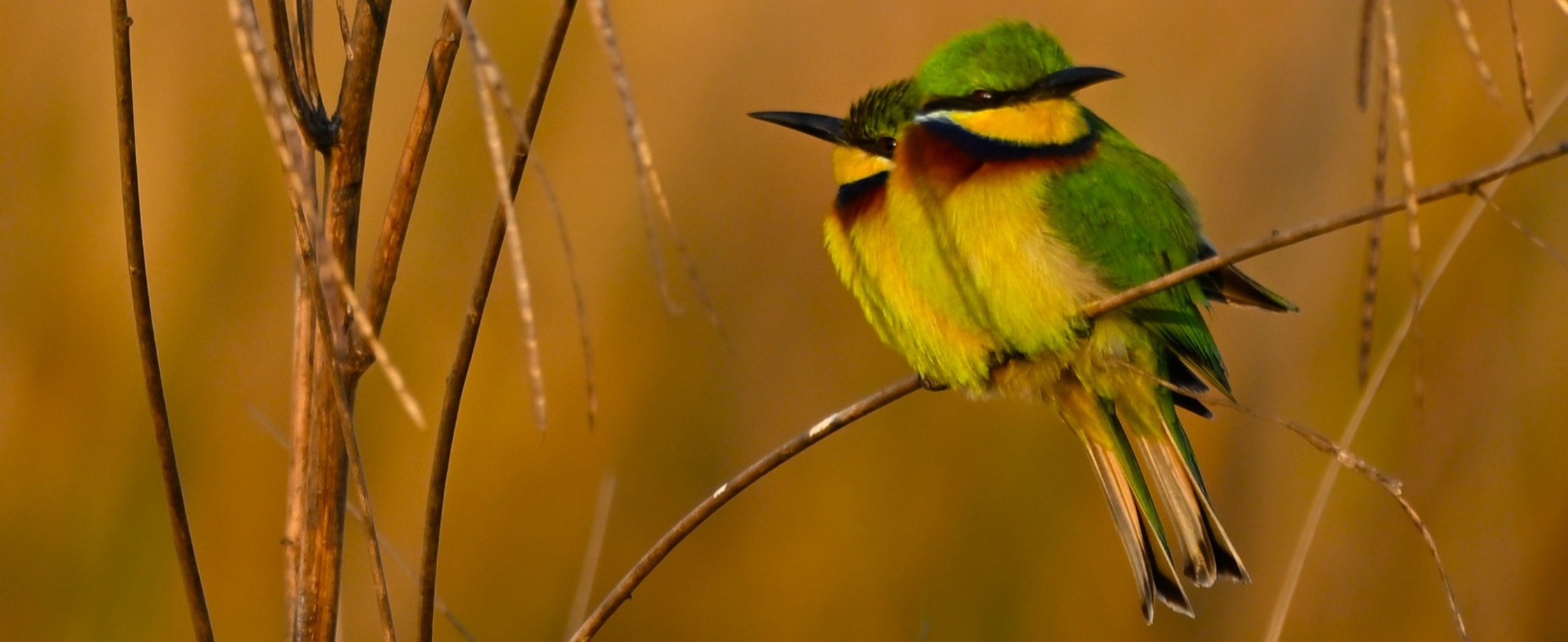
At Chimfunshi, birding is more than an opportunity to discover Zambia’s remarkable birdlife, it is also a way to contribute to conservation.
Our ongoing bird survey continues to add new species to our records, helping us build a more complete picture of the biodiversity across our 10,000-hectare landscape. We warmly encourage visitors to share their sightings and observations with our team, helping us expand and improve our bird list.
Birds are excellent indicators of the health of an ecosystem. Changes in habitat, water availability, fire, climate and human activity can all influence bird populations and distribution. By monitoring birdlife over time, we can better understand how our landscape is changing and help guide our conservation efforts.
Every bird sighting can therefore become part of something bigger.
When should you visit?
Birding can be rewarding throughout the year, but different seasons offer different experiences.
Dry Season:
The vegetation is more open, making some woodland birds easier to locate, while water becomes concentrated in remaining rivers, pools and wetlands.
Rainy Season:
The landscape transforms as dambos and floodplains fill with water. This brings increased activity among wetland and water-associated species and creates spectacular changes in the landscape.
Early Morning:
For keen birders, this is the time to be out. Cooler temperatures, active feeding behaviour and strong bird activity make the first hours of daylight particularly rewarding.
Plan your Birding Visit
We would be delighted to help you make the most of your birding experience at Chimfunshi. Whether you are planning a dedicated birding trip or simply want to add birdwatching to your stay, our team can help you arrange the details in advance.
From accommodation and catering to local guides and transport, we can help tailor your visit around your interests and schedule. Let us know what you are looking for before you arrive, and we will do our best to make your stay comfortable, enjoyable and productive.
Our team can also share some of our favourite birding spots and routes, helping you explore different areas of Chimfunshi and experience the diversity of our landscapes — from Miombo woodland and Mushitu forest to seasonal dambos and the Kafue River.
Get in touch with us before your visit, and let us help you plan a birding experience that is as rewarding as it is memorable.
Plan Your Visit
Remember to bring:
- Binoculars
- Camera and telephoto lens
- Bird field guide or birding app
- Notebook or birding checklist
- Hat, sunscreen and water
- Comfortable walking shoes
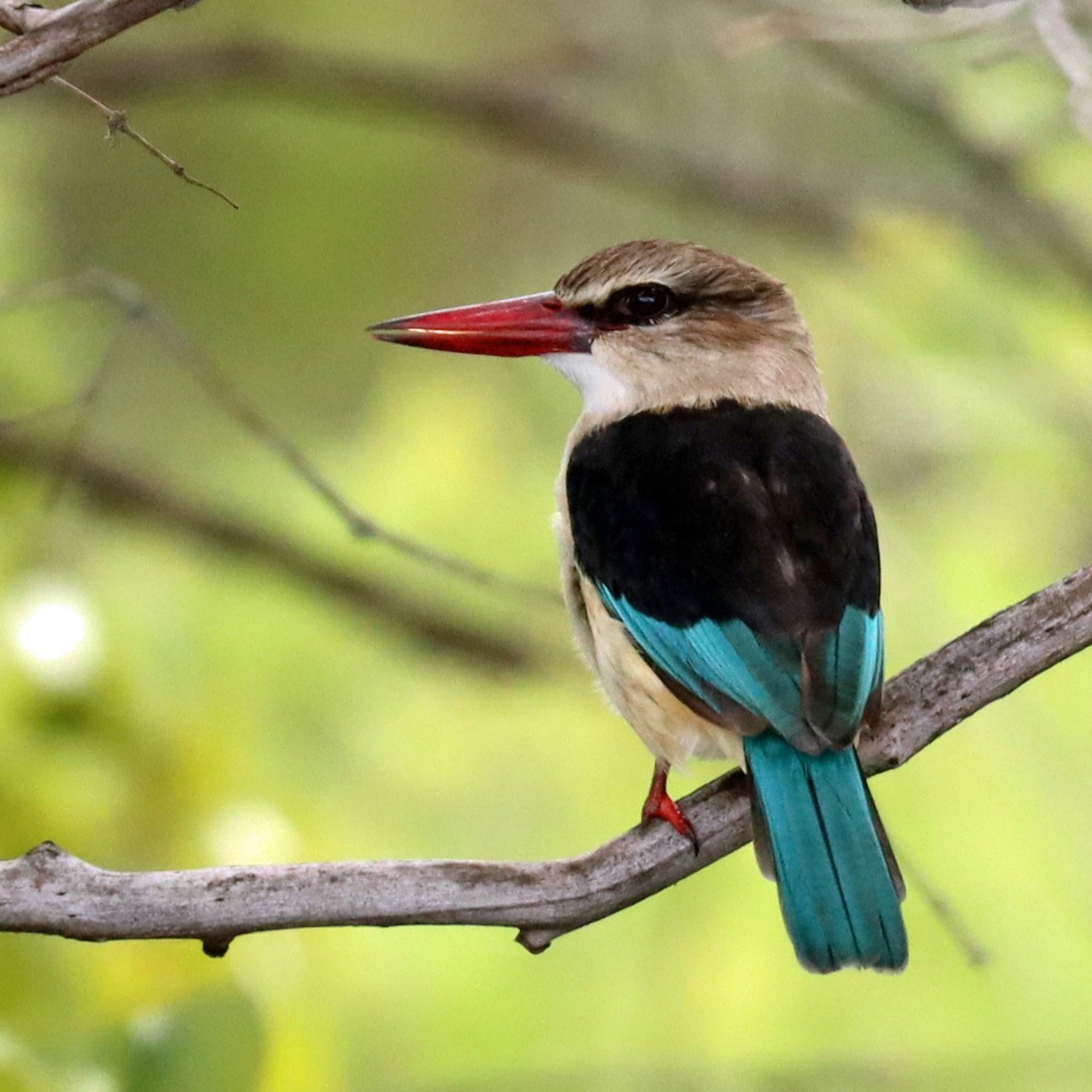
Brown Hooded Kingfisher
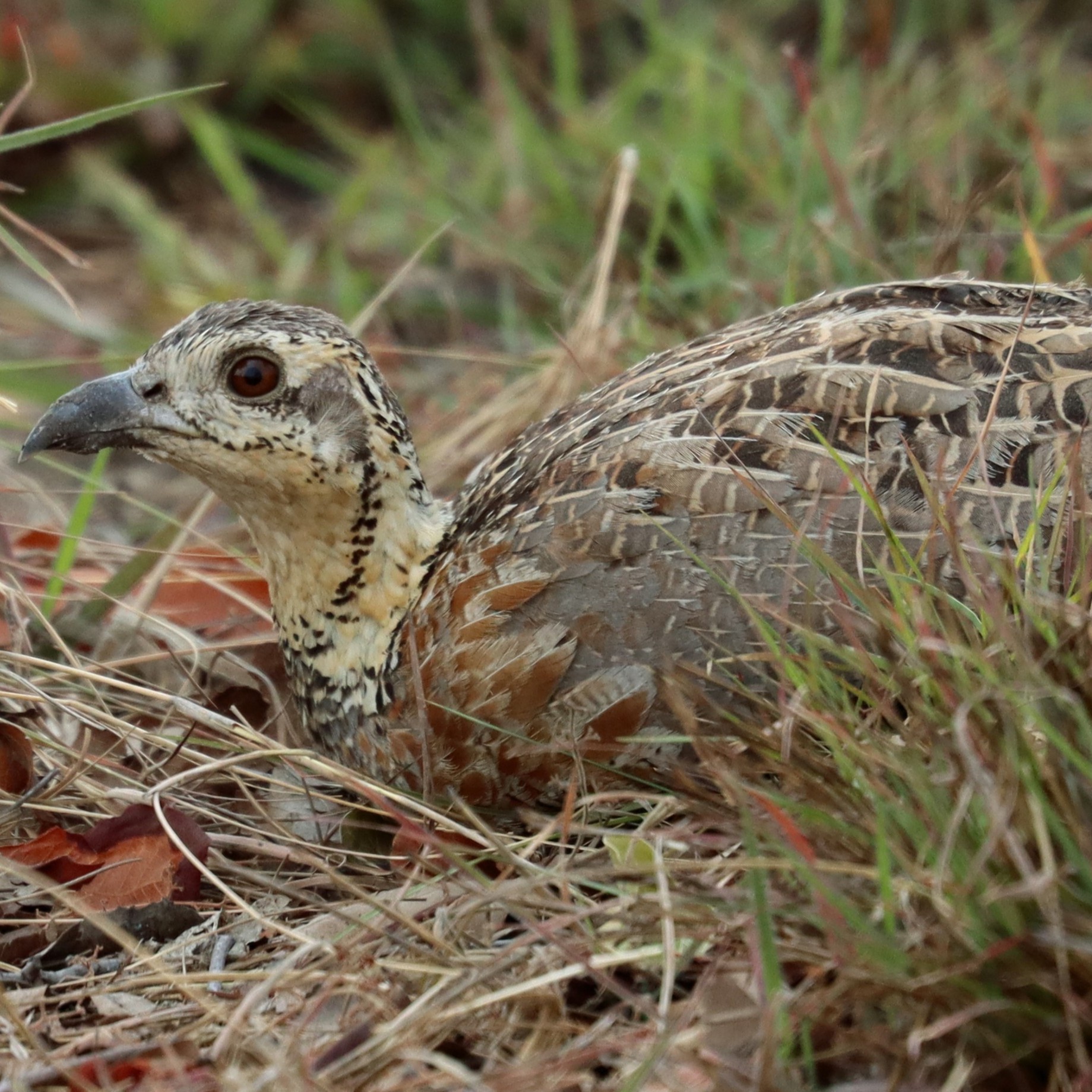
Whyte’s Francolin
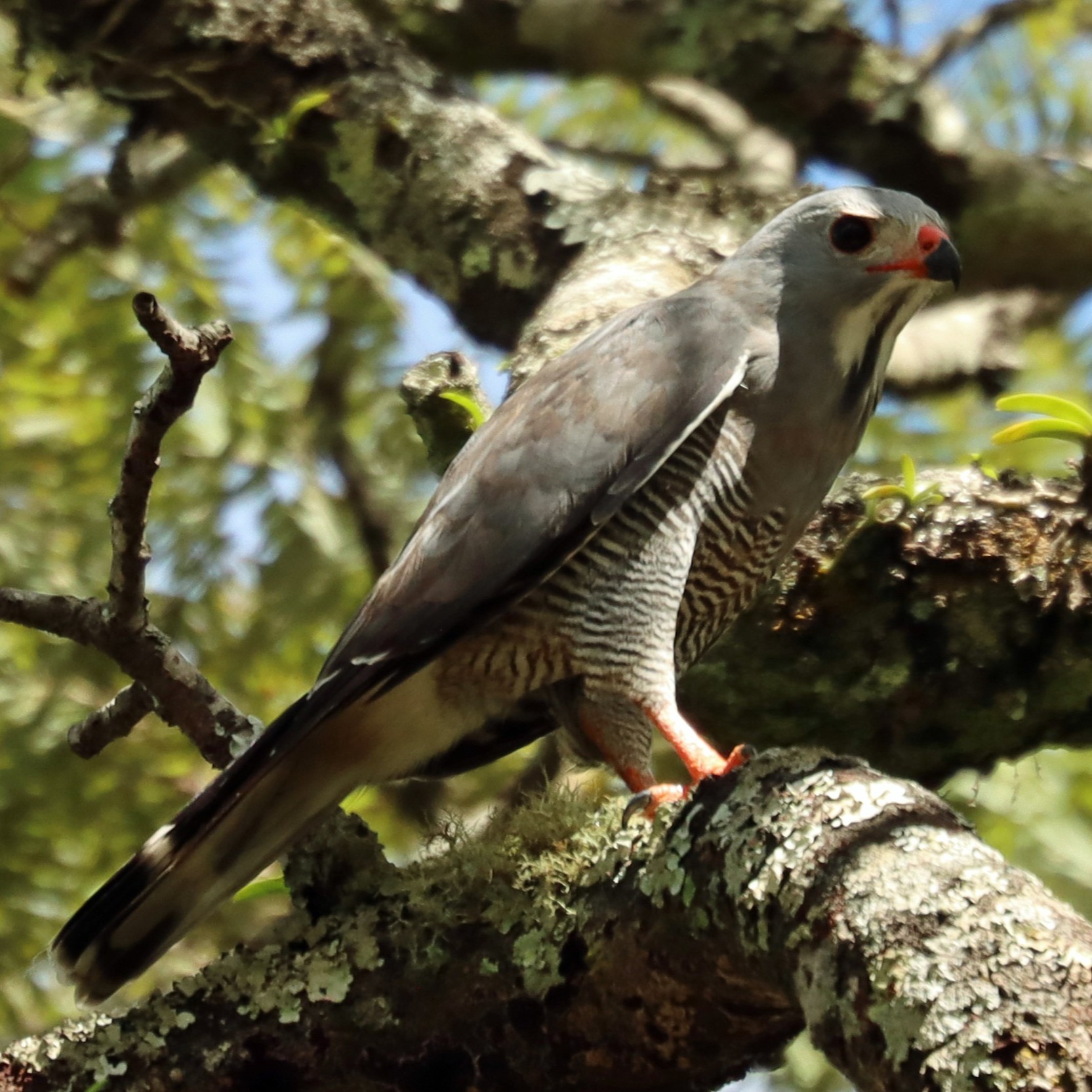
Lizard Buzzard
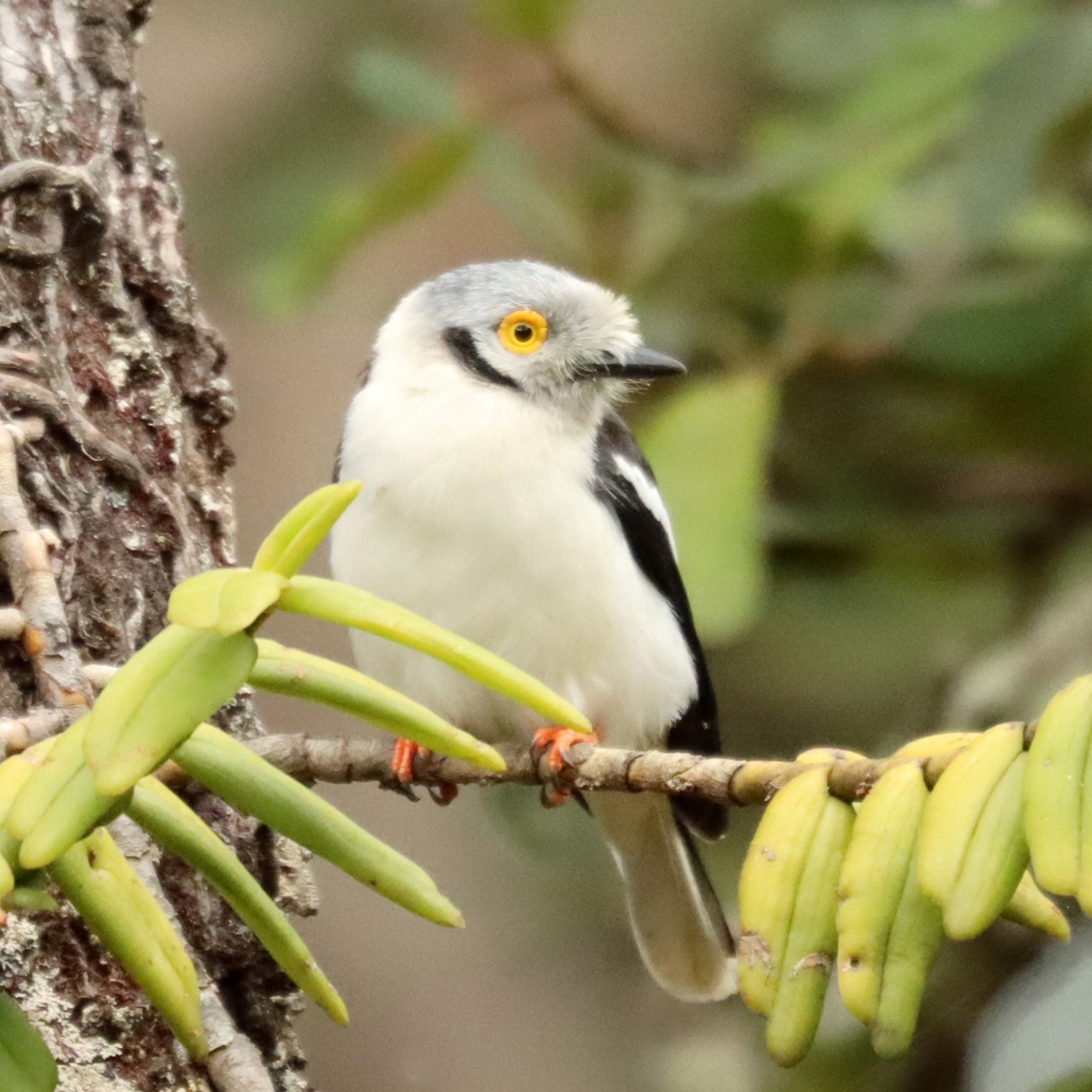
White Crested Helmetshrike
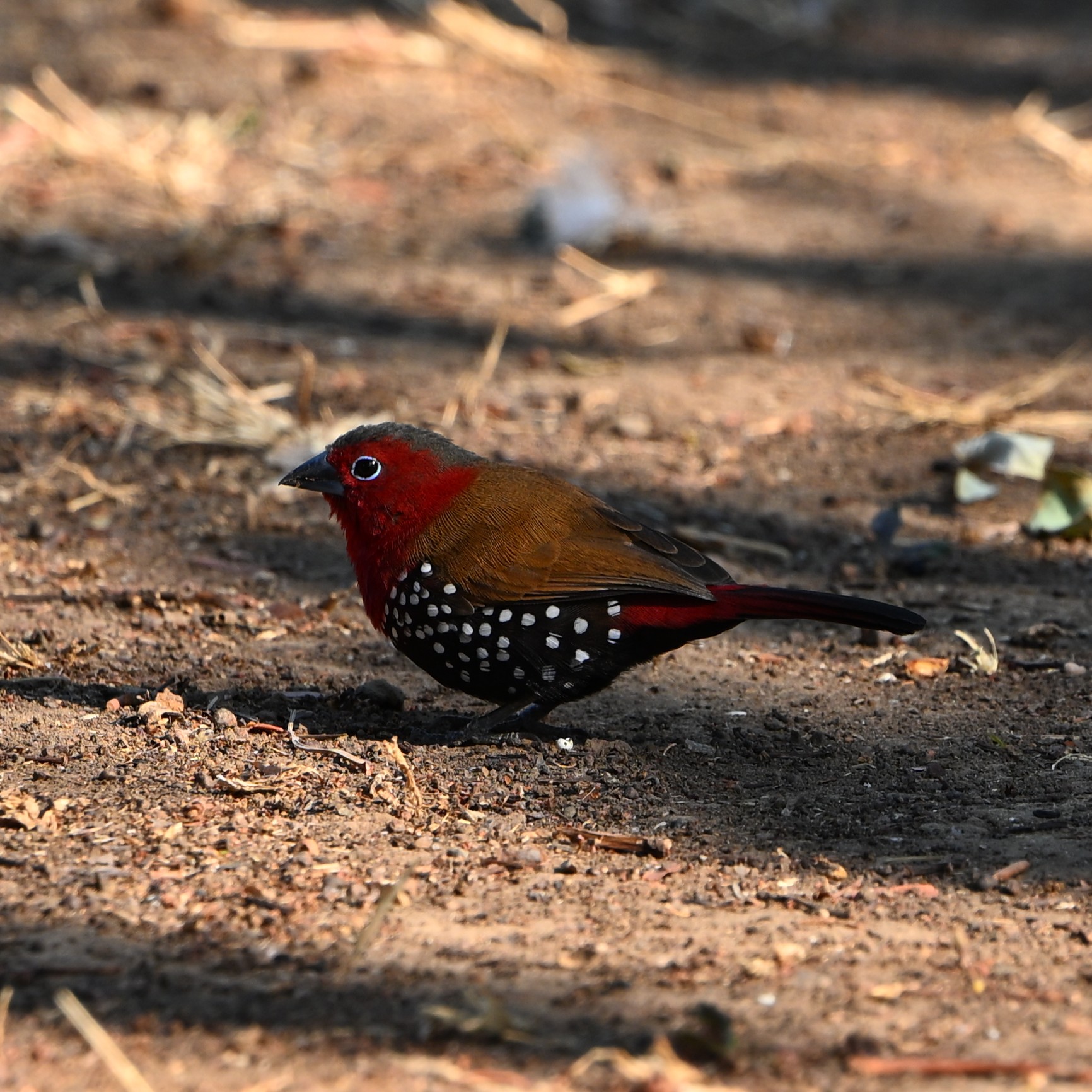
Red Throated Twinspot
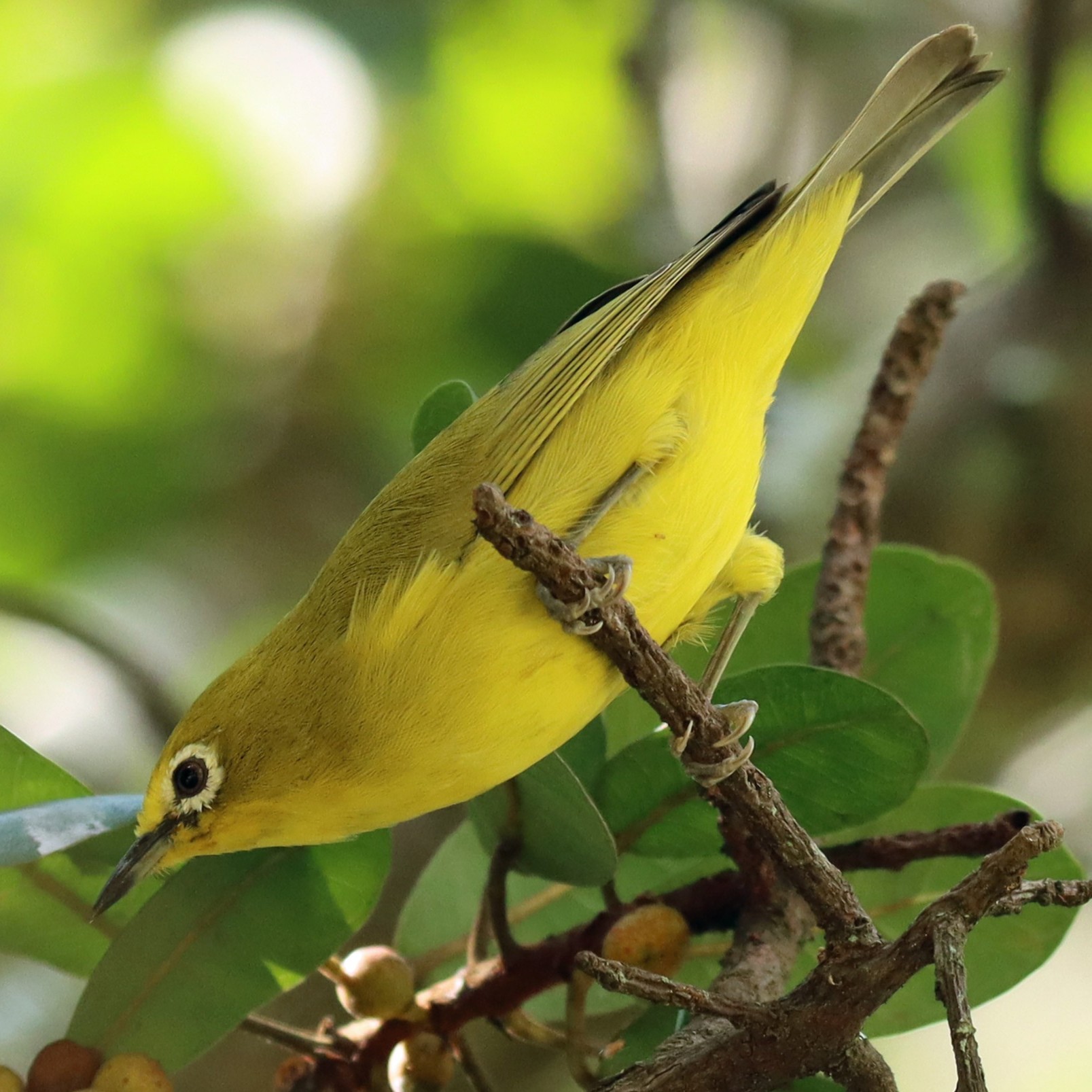
Southern Yellow White Eye
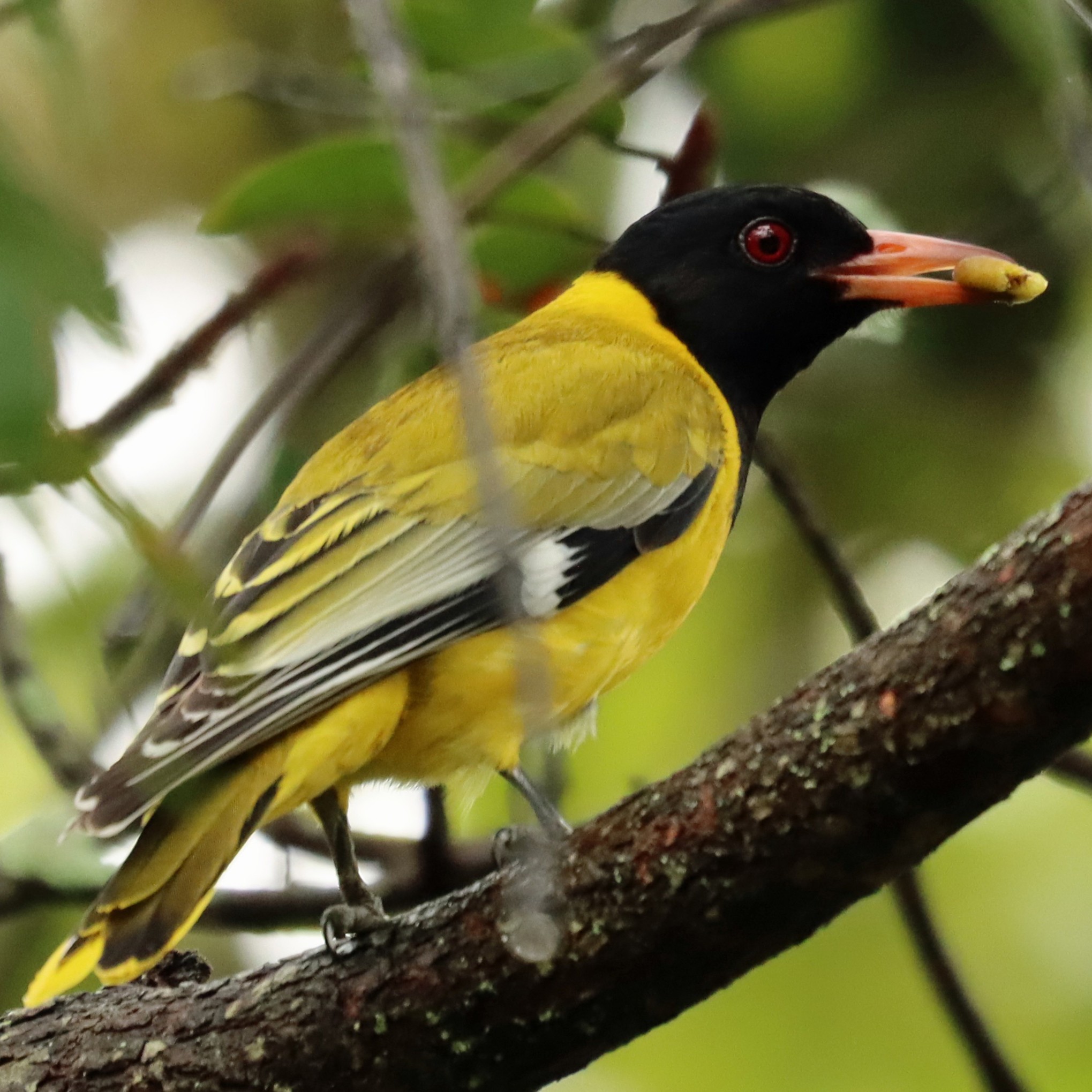
African Black Headed Oriole
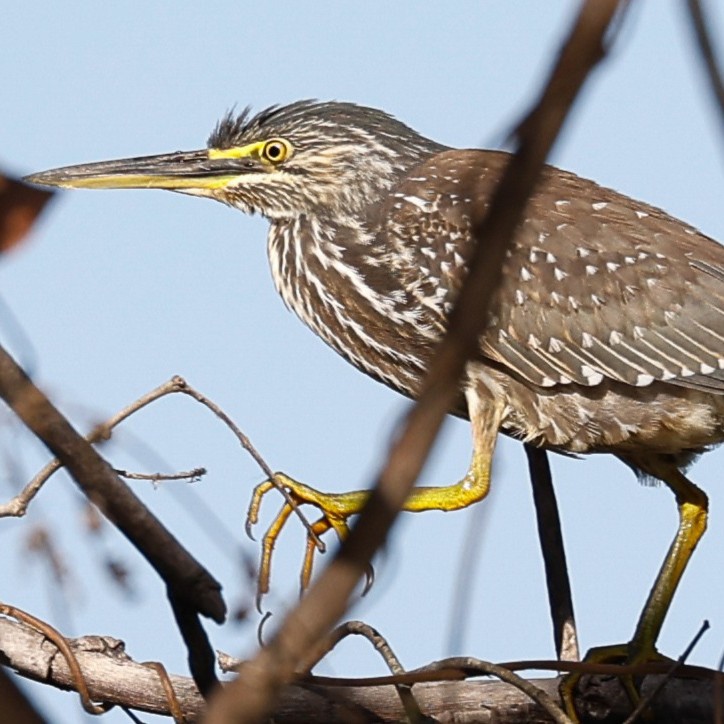
Butorides atricapilla (Little Heron)