
Research
Science for Conservation
Chimfunshi accepts research projects, year-round, of all genres, including those located outside of primatology. Our mission is the resocialization and rehabilitation of orphaned chimpanzees and the preservation of indigenous flora and fauna in Zambia through research and education.
Research Structure
In 2010, the Chimfunshi Research Advisory Board (CRAB) was established to oversee and evaluate research activities conducted at Chimfunshi. Under the leadership of Dr. Edwin van Leeuwen (more info on Edwin), CRAB collaborates closely with Chimfunshi’s management to ensure that all research aligns with and supports the sanctuary’s mission and long-term goals.
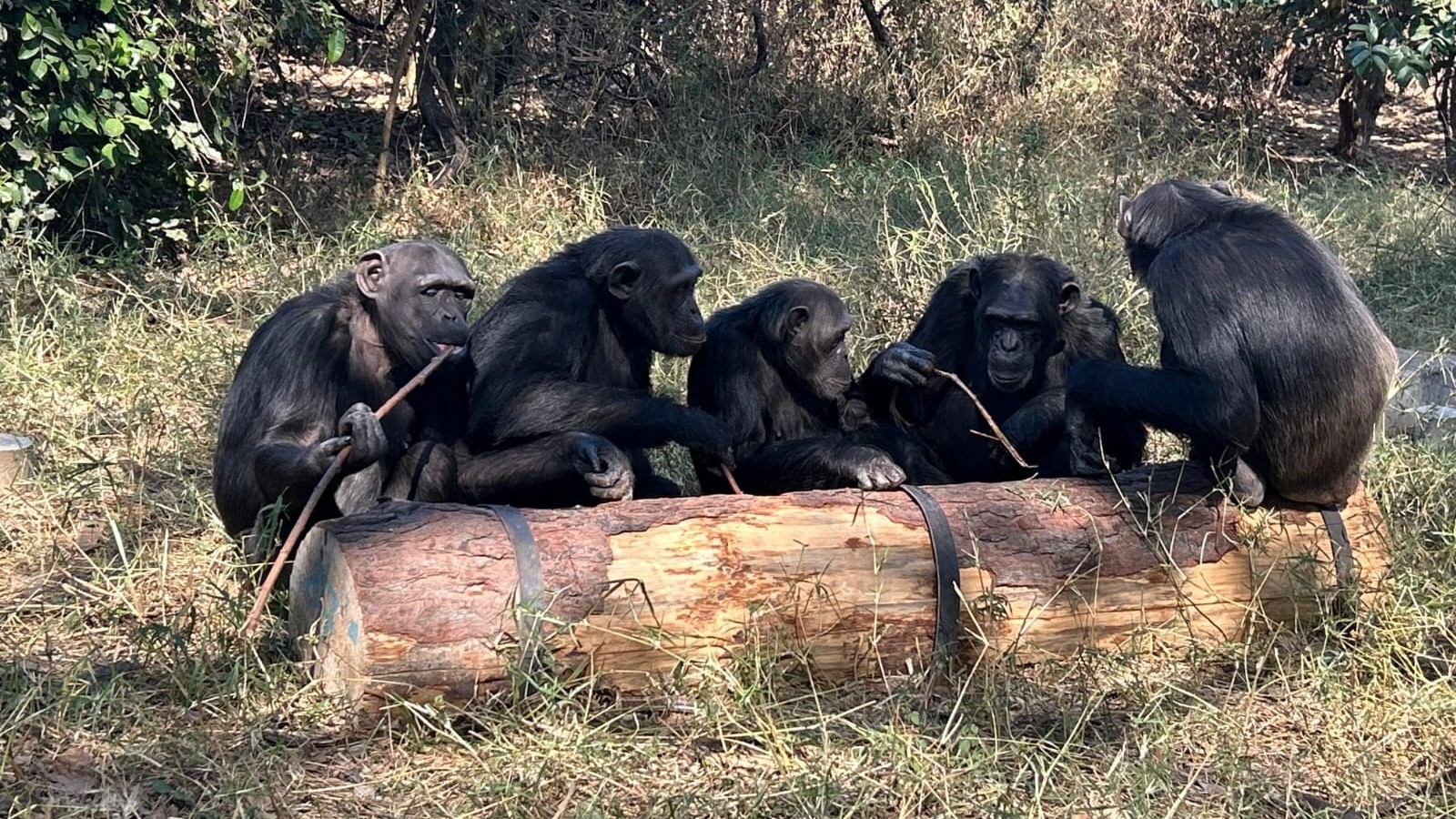
For the chimpanzees, Chimfunshi is divided into two parts. The Orphanage, where rescued individuals were first brought and initially provided care, and the Project. The 3 groups at the Orphanage are the newly formed groups, their composition fluctuates. The groups in the Project area have been relatively stable since at least the early 2000s. The Project is currently home to 5 different social groups.
Research Policies
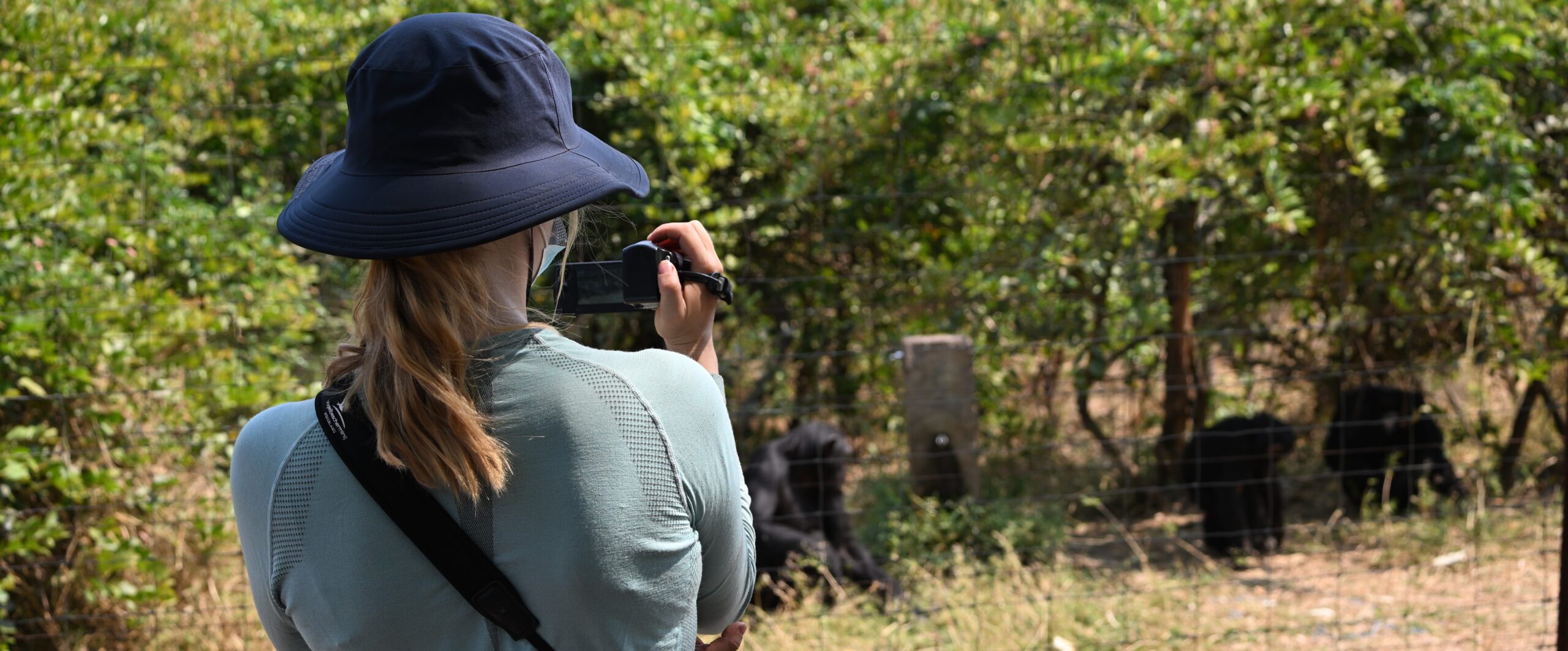
Chimfunshi follows a strict non-invasive and no-contact research policy. We welcome a wide range of research topics (behavioral, social, genetics, ecological, etc.), but all ideas must be pre-approved by CRAB and follow PASA’s research guidelines :
- Behavioral research should avoid encouraging unnatural behaviors in rehabilitated animals and must not disrupt daily routines. Studies should directly benefit species conservation or sanctuary management.
- Research on wild primates near sanctuaries must be non-disruptive: no feeding, no habituation where hunting risks exist.
- Biological research is only allowed if linked to animal management needs. Samples may be collected only during routine exams.
- Biological sampling must have clear health, conservation, or genetic benefits for captive or wild primates, never for exploratory or human medical purposes.
- No experimental infection/injection is permitted. All labs/researchers must sign an MoU ensuring ethical use of samples and granting the sanctuary pre-publication review rights.
Please Note: Chimfunshi values sharing research with both the local community, school children from the Community School, and tourists. During your stay, it would be wonderful if you could give a talk to staff and volunteers to share more about your work and its broader impact. Chimfunshi reserves the right to review manuscripts based on its data before submission. A copy of all resulting publications must be provided for the Chimfunshi Research Library.
Life at Chimfunshi
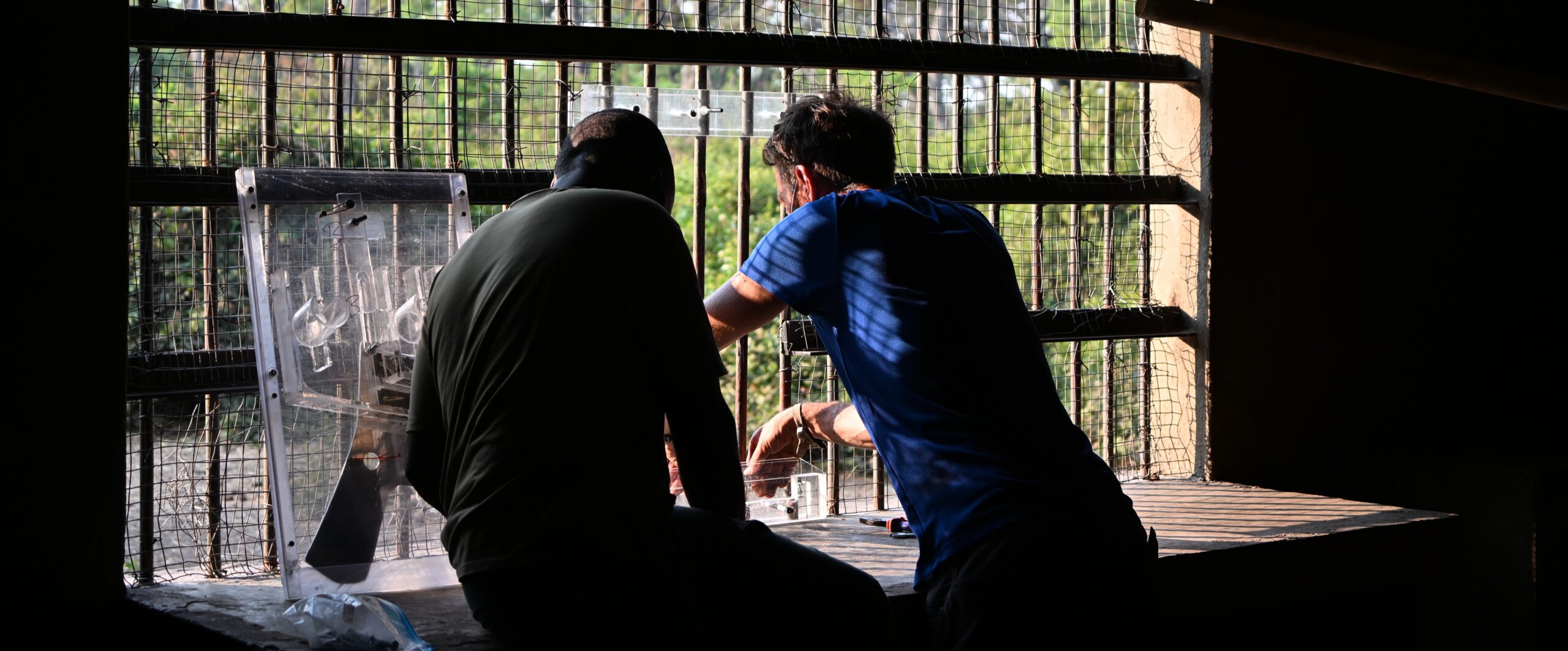
All researchers live at the Education Centre with the volunteers and some staff. It’s a community-life where we share communal space, ideal to spend time with new people from all over the world.
Accommodation: Stay in shared houses with basic but comfortable amenities. Dormitories can accommodate up to 8 people and we separate women and men. Bathrooms and the kitchen are shared between the different rooms. As a remote sanctuary, we rely on our own resources for water and electricity, so we encourage mindful use.
Food: Weekly trips to local markets and supermarkets are available for shopping. We keep a personal space in the kitchen in the fridges and in the shelves for you to store your food. It is also possible to book catering at an extra cost.
Going to work: You will travel around Chimfunshi by bike, allowing you to manage your own schedule. The Project Site is 4 km from the Education Centre, and the Orphanage is 7 km away.
Safety: While we don’t usually have issues with it, we recommend keeping valuables secure in your room.
Visa: US and EU citizens can obtain a free 30-day tourist visa on arrival, extendable twice for a total stay of 90 days. For the other country, please verify the possibility.
Transport: You can choose to come on your own. If not, we work with a local driver who can arrange transport from the region to Chimfunshi. The most commonly used is from Ndola airport directly to Chimfunshi for $140 per trip. You will be able to make a stop at the supermarket to buy food on the way.
Application Process
Please submit:
- Cover Letter
- Project Proposal
- C.V. of Principal Investigator
Your application will be reviewed by the Chimfunshi Research Advisory Board for feasibility, chimpanzee welfare, human and chimpanzee safety, and scientific rigor. Outside expert reviewers may be consulted for some applications. Application materials should be submitted electronically to .
Please find here the Research Proposal Template.
After approval and before commencing the study, CRAB/Chimfunshi will establish a Memorandum of Understanding with the Principle Investigator detailing mutually agreed upon arrangements concerning the study.

Meet the CRAB Members

Edwin Van Leeuwen

Daniel Haun

Katherine Cronin
Jake S. Brooker
Peggy Motsch
Publications
Bonobos and Chimpanzees Overlap in Sexual Behaviors During Social Tension
Authors: Brooker Jake S., Webb Christine E., van Leeuwen Edwin J. C., Kordon Stephanie, de Waal Frans B. M. and Clay Zanna (2025)
Examining sexual behavior in bonobos and chimpanzees, including those at Chimfunshi Wildlife Orphanage, this study finds that both species engage in similar sociosexual interactions during periods of social tension. These findings challenge strict dichotomies between bonobo and chimpanzee social behaviors and suggest that sexual interactions may serve comparable social functions in both species.
Grooming and Play Contagion in Chimpanzees
Authors: Sandars G, Brooker JS, Clay Z (2024)
This study shows that grooming and play behaviors in chimpanzees at Chimfunshi Wildlife Orphanage spread contagiously through social interactions, meaning that observing one individual engage in a behavior increases the likelihood of others doing the same. The findings suggest that emotional and social contagion play a significant role in shaping primate social dynamics.
Chimpanzees Use Social Information to Learn Skills They Fail to Innovate
Authors: van Leeuwen, E.J.C., DeTroy, S.E., Haun, D.B.M., and Call, J. (2024)
This study demonstrates that chimpanzees at Chimfunshi Wildlife Orphanage can acquire a new foraging skill when exposed to social information but fail to innovate the skill independently. The findings emphasize the importance of social learning in cultural transmission and suggest that chimpanzees rely heavily on observation rather than individual trial-and-error innovation.